Tronlink ton wallet is a self-custody TRON wallet for TRX, resources, and DApps
Bottom line: Self-custody TRON wallet for managing TRX and TRC-20 tokens, with staking resource delegation and DApp access on mobile or extension.
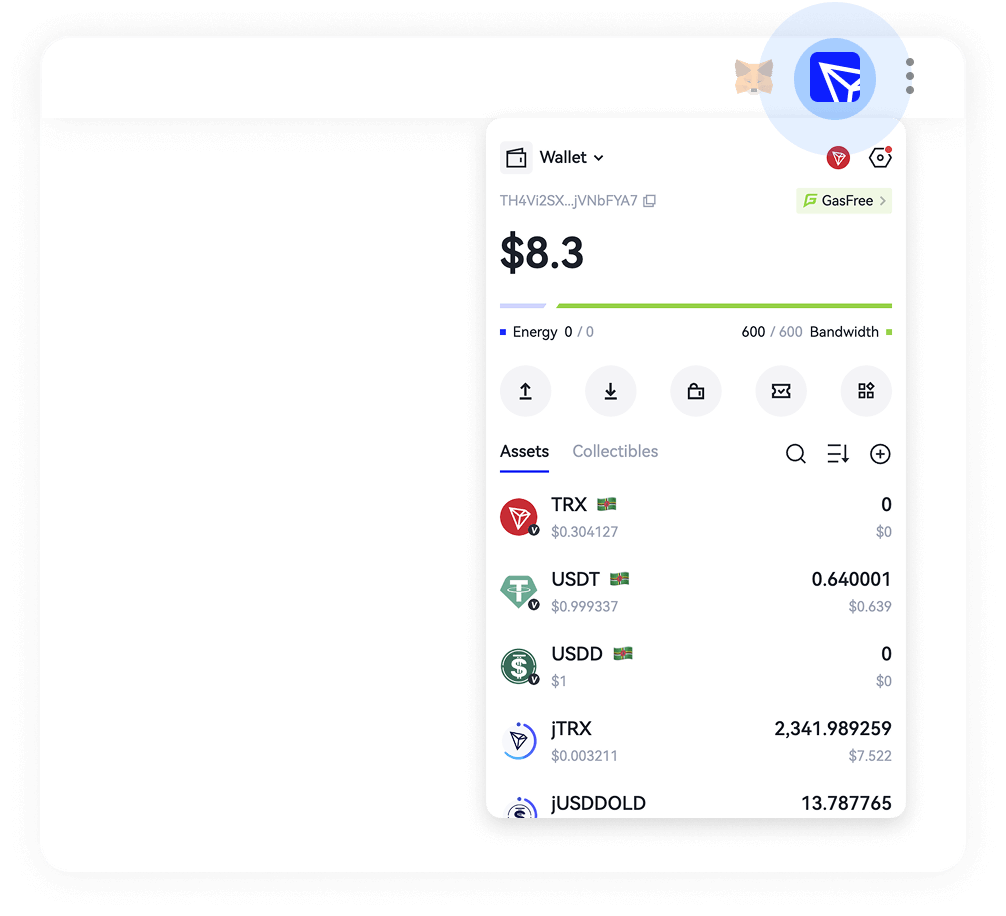
Tronlink ton wallet is a self-custody wallet built around the TRON network, where users manage TRX, TRC-10, TRC-20, and TRC-721 assets while controlling private keys locally. It supports transfers, voting, staking resource workflows, DApp connections, mobile access, and a browser extension. The phrase Tronlink ton wallet points to TronLink, a TRON-focused wallet with added EVM network support through the extension.
TRX, TRC-20 tokens, and TRON resources in one account
The wallet's strongest role is handling the everyday mechanics of the TRON ecosystem. A user sends TRX, holds TRC-20 tokens such as USDT on TRON, views TRC-10 assets, and keeps NFT-style TRC-721 collectibles in the same account structure. That matters because TRON activity uses resource concepts that feel different from simple gas-only chains.
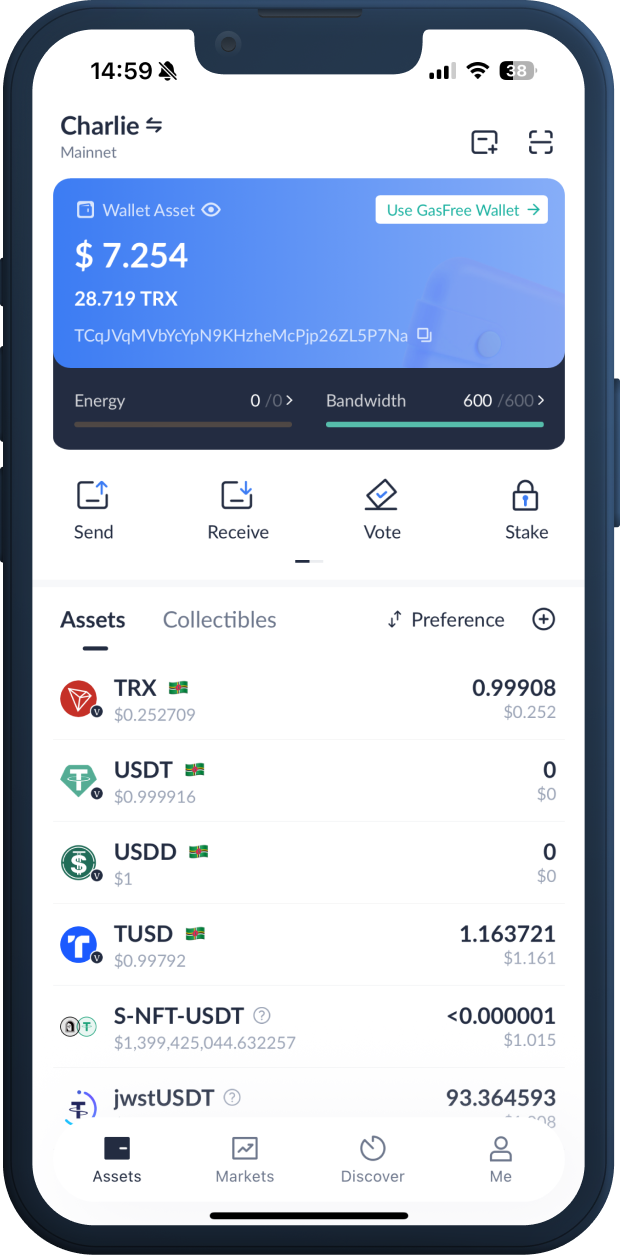
On TRON, Bandwidth covers many transaction data costs, while Energy is consumed by smart contract calls. Staking TRX helps obtain these resources, and resource delegation lets one account support another account's activity. Tronlink ton wallet brings those controls into a consumer wallet interface instead of leaving them only to block explorers or command-line tools.
How staking resource delegation changes daily TRON use
Staking in this context is tied to network participation and resource access. Users freeze or stake TRX according to the current TRON resource model, receive voting power, and allocate resources where they are useful. Resource delegation is especially relevant for active DApp users, because smart contract interactions consume Energy and repeated transfers consume Bandwidth.
Voting adds another layer. TRON uses Super Representatives to produce blocks and maintain the network. A wallet user with voting power chooses representatives and participates in governance activity from the wallet interface. Rewards and rules belong to the TRON network and the chosen voting route, so the important wallet job is showing balances, resource states, and signing actions clearly.
Mobile wallet, browser extension, and Ledger access
TronLink is available as a mobile app and a PC browser extension. That split fits two very different habits: mobile is convenient for checking balances or sending funds, while the extension is the common path for connecting to web DApps. The same broad wallet identity follows the user, but the interface changes around the device and the signing flow.
Hardware wallet users also get a useful path because TronLink supports importing Ledger wallets through Bluetooth in supported environments. A cold wallet setup separates key storage from routine browsing, while the hot wallet remains fast for smaller balances and frequent DApp approvals. Tronlink ton wallet therefore works for both casual transfers and more deliberate custody setups.

Where EVM networks fit beside TRON
The extension expands beyond TRON by supporting EVM networks including Ethereum, BNB Smart Chain, and BTTC. This gives the wallet a multichain HD structure where a single mnemonic manages accounts across supported networks. For users who mainly live on TRON but sometimes interact with EVM assets, that reduces the number of wallet tools needed in the browser.
Network switching still requires attention. A TRC-20 token on TRON is handled differently from an ERC-20 token on Ethereum or a BEP-20 token on BNB Smart Chain. Addresses, token contracts, fees, and confirmations belong to the selected network. Tronlink ton wallet makes the network available in the extension, but the transaction being signed still follows the chain currently selected.
DApp signing and transaction checks
Connecting a wallet to a DApp lets the site request signatures and transactions from the user's address. The wallet is the approval layer. It shows the requested action, asks for confirmation, and broadcasts the signed transaction after approval. This is the part of Web3 where good habits matter most, because a signature is an on-chain instruction, not a password prompt.
The transaction screen deserves attention before approval. Users should read the token, contract, amount, destination, and network. Permission-style approvals are especially important when a DApp asks to spend tokens later. One specific caution belongs here: reject approval requests that do not match the action you meant to take. That habit prevents many avoidable wallet mistakes.
Setting up without losing recovery control
Creating a new wallet means generating a mnemonic recovery phrase and setting local access credentials. TronLink supports HD wallets, so one recovery phrase produces multiple accounts. Importing an existing wallet brings the same address family into the app or extension, as long as the phrase or hardware wallet path matches the original setup.
A practical first setup flow is short and deliberate:
- Create or import the wallet on a trusted device.
- Write the recovery phrase offline and keep it away from screenshots.
- Add TRX for transfers, staking, and resource activity.
- Check the selected network before receiving tokens.
- Test with a small transfer before moving a larger balance.
After setup, Tronlink ton wallet becomes the signing surface for TRON activity. The private key is stored locally with encryption, and the user's recovery material remains the true way back into the account. Losing the phrase breaks recovery on a new device, so storage discipline is part of using self-custody.
Fees, resources, and what costs actually come from
TRON costs are shaped by Bandwidth, Energy, and TRX balance. Simple transfers consume Bandwidth. Smart contract calls, including many TRC-20 token transfers and DeFi actions, consume Energy. When an account lacks enough resources, TRX is burned to pay the remaining network cost. The wallet surfaces the action; the chain applies the cost rules.
This resource model is why staking matters beyond yield language. A user who makes regular USDT transfers on TRON or interacts with contracts benefits from understanding Energy. A user who only receives tokens still needs enough TRX for actions that require a transaction. Tronlink ton wallet helps show these moving pieces, but resource planning remains part of managing the account.
When another wallet is a better fit
In practice, TronLink is purpose-built for TRON, which makes it the natural choice for users who rely on TRX, TRC-20 assets, voting, resource delegation, and TRON DApps. Trust Wallet suits people who want a broad mobile wallet across many chains with a simple asset list. MetaMask remains the familiar extension for EVM-first users. Ledger Live appeals to hardware wallet users who prioritize device-based signing for supported assets.
The right alternative depends on the main workflow. Heavy TRON users get the deepest native controls from TronLink. EVM-only users prefer a wallet designed around Ethereum-style networks from the start. Hardware-first holders lean toward a device-led setup, then connect through compatible interfaces when they need DApp access. For a user searching Tronlink ton wallet because they want TRON staking resources and token management, TronLink is the direct match.
Frequently asked questions about Tronlink ton wallet
Does TronLink support TON blockchain assets?
TronLink is centered on TRON and its asset standards, including TRX, TRC-10, TRC-20, and TRC-721. Its extension also supports selected EVM networks such as Ethereum, BNB Smart Chain, and BTTC. TON blockchain assets are a separate ecosystem, so a user should treat a search for Tronlink ton wallet as a TRON wallet query unless the interface explicitly shows TON support.
What fees do I pay when sending USDT on TRON with TronLink?
A USDT transfer on TRON uses network resources, mainly Energy for the token contract and Bandwidth for transaction data. If the account has enough delegated or staked resources, the visible TRX burn is lower. If resources are insufficient, TRX is consumed to cover the network cost. The wallet displays the transaction before signing, while the TRON network determines the final resource use.
Can I use TronLink with a Ledger Live?
Yes, TronLink supports Ledger Live access in supported setups, including Bluetooth import paths noted by the wallet. This keeps signing tied to the hardware device while TronLink provides the interface for accounts, transfers, and DApp interactions. Users still need to confirm transactions on the device and keep the Ledger recovery phrase separate from any hot wallet recovery phrase.
Which tokens work best in a Tronlink ton wallet setup?
The strongest fit is TRON-native activity: TRX, TRC-10 tokens, TRC-20 tokens, and TRC-721 collectibles. TRC-20 USDT is a common example because it is widely used on TRON. The browser extension also covers supported EVM networks, but the cleanest experience remains TRON resource management, staking, voting, and DApp signing.
Recovering access after replacing a phone with TronLink installed
Recovery depends on the wallet's mnemonic phrase or the connected hardware wallet. Install TronLink on the new device, choose import, and enter the recovery phrase in the correct order, or reconnect the hardware wallet through the supported path. Local passwords from the old device do not restore the wallet by themselves; the recovery material controls access to the accounts.
Is resource delegation the same as sending TRX away?
Resource delegation assigns Bandwidth or Energy benefits to another account while the staked TRX remains tied to the owner's staking position under TRON's rules. It is different from a normal transfer because the delegated account receives resource capacity rather than ownership of the TRX. The exact available actions depend on the current staking state and wallet controls shown before confirmation.