Tronlink ton wallet is a TRON resource wallet workflow for staking TRX
Bottom line: Self-custody TRON wallet setup for obtaining or delegating resources, with TRX staking support for bandwidth and energy use.
Tronlink ton wallet is a self-custody TRON wallet setup focused on holding TRX, using TRC tokens, and managing the bandwidth and energy resources that power TRON transactions. In this context, the phrase points to TronLink's TRON wallet experience rather than a separate token product: users create or import a wallet, secure the private key locally, stake TRX for resources, delegate those resources when needed, and connect to TRON DApps from a browser extension or mobile app.
Resource delegation is the reason this wallet workflow matters
TRON uses a resource model that differs from the simple gas-only experience found on many EVM chains. Basic account activity draws on bandwidth, while smart contract activity consumes energy. A user who holds TRX inside TronLink has direct access to staking features that convert TRX into usable network resources. Those resources reduce the need to burn TRX on routine transfers and contract calls, especially when interacting with TRC-20 tokens such as USDT on TRON.
This makes Tronlink ton wallet a practical search phrase for people who want the resource side of TronLink explained. The wallet is not just a place to view a balance. It is where an account owner sees TRX, freezes or stakes it through the current TRON resource model, receives energy or bandwidth, votes in the TRON ecosystem, and signs transactions with local key control.
How TRX staking turns into bandwidth and energy
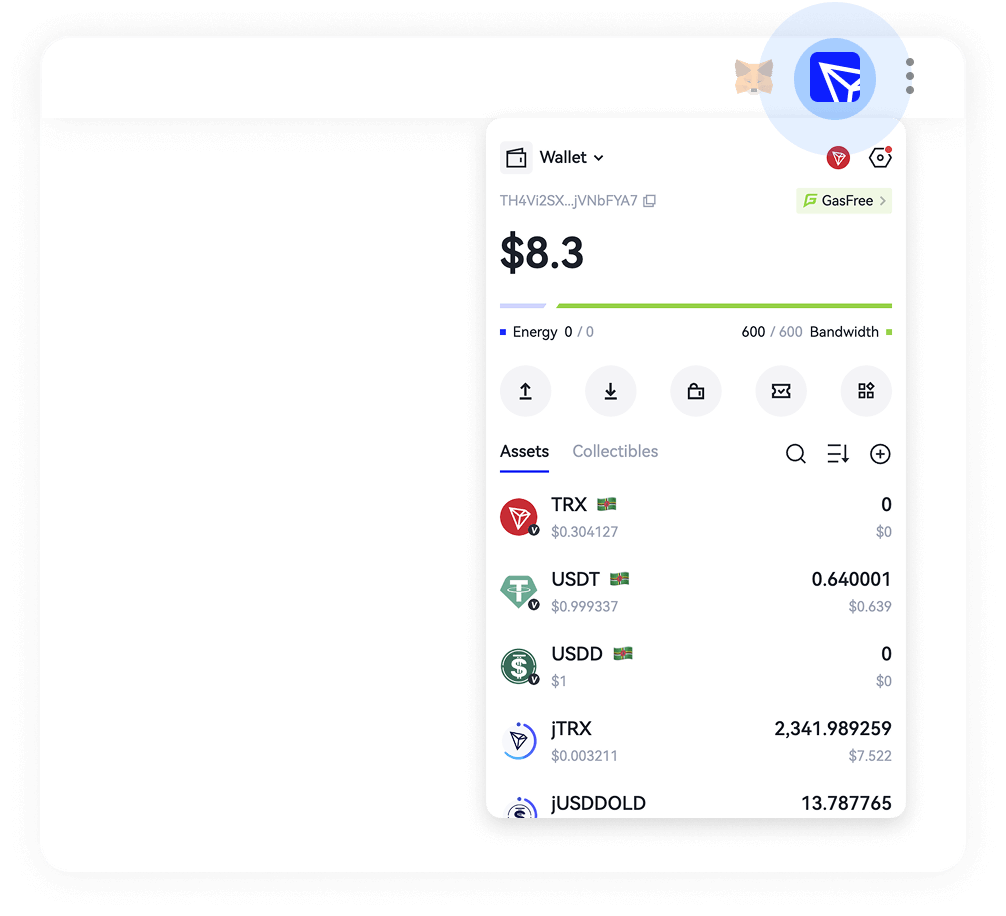
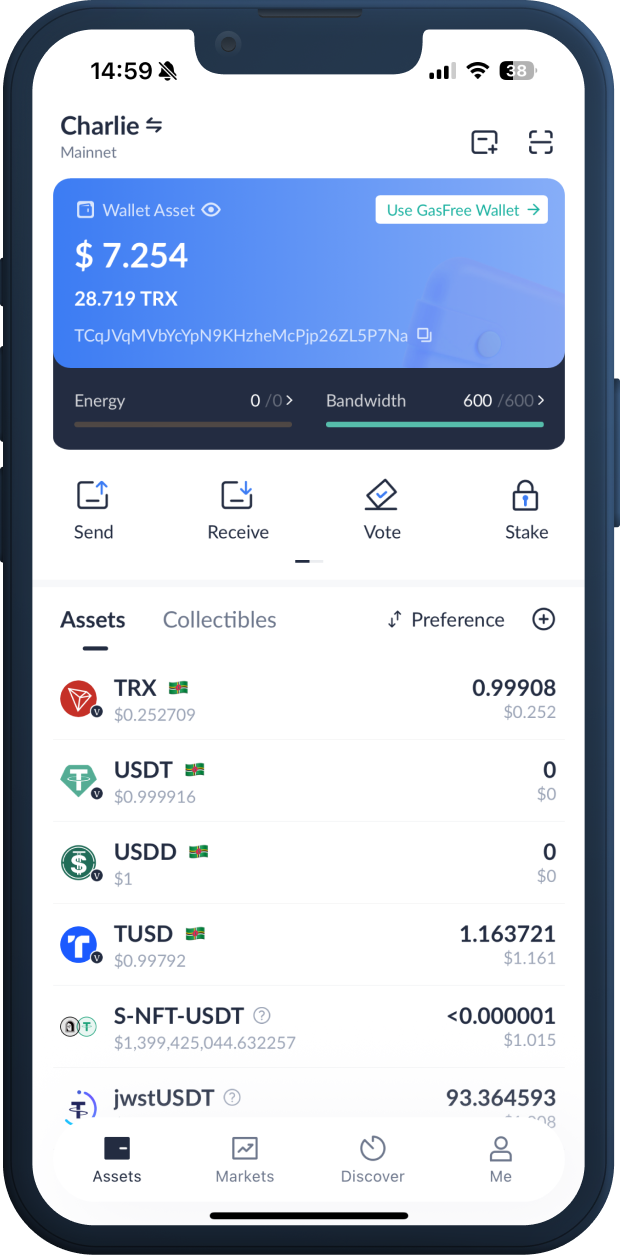
When TRX is staked through TronLink, the account receives voting power and resource capacity tied to the selected resource type. Bandwidth supports ordinary transfers and account operations. Energy supports smart contract execution, which matters for TRC-20 token transfers, swaps, lending apps, NFT markets, and other DApp actions. Resource usage appears at the account level, so the user sees the remaining capacity before approving more activity.
Delegation adds another layer. A wallet owner with staked TRX assigns resource capacity to another TRON address without handing over the TRX itself. That arrangement is useful for teams that operate several wallets, services that need predictable contract execution, or users who keep funds in one account while letting another account transact with assigned energy. Tronlink ton wallet covers this delegation workflow because TronLink exposes the account controls needed to manage resources from the same interface used for transfers.
The token standards TronLink handles inside the account
TRON assets are not all the same. TRX is the native coin used for staking, voting, and transaction settlement. TRC-10 tokens are issued directly on TRON with a lighter structure. TRC-20 tokens follow the smart contract token pattern used by many stablecoins and DeFi assets. TRC-721 covers NFT-style assets on the network. A single wallet account can display and sign activity for these asset types while keeping the private key under the user's control.
That asset coverage is central to Tronlink ton wallet as a subtopic. Someone searching it is usually trying to understand how a TronLink wallet relates to TRON operations: receiving a TRC-20 stablecoin, keeping enough TRX for account actions, staking TRX for energy, and connecting to DApps that request signatures. The same account also works with address books, token visibility settings, transaction records, and permissions needed for ordinary wallet management.

Extension, mobile app, and hardware wallet access
TronLink is available as a browser extension and as a mobile wallet. The extension fits desktop DApp use because a website requests a wallet connection, the user reviews the address and network, and the wallet opens a signing prompt. The mobile app fits everyday transfers, account checks, staking actions, and QR-based receiving. Both formats center on self-custody, where the recovery phrase or imported key controls access.
Hardware wallet support adds a stronger signing boundary for users who keep larger balances or operate long-term resource positions. TronLink supports importing Ledger wallets through compatible flows, including Bluetooth on supported devices. In that setup, the wallet interface displays balances and prepares transactions while the hardware device confirms the signature. Tronlink ton wallet therefore includes both hot-wallet convenience and colder signing habits for accounts that need tighter separation.
Getting a TRON account ready for resource use
A new setup starts with creating or importing an account and recording the recovery phrase offline. After receiving TRX, the user decides whether the account needs bandwidth, energy, or both. Transfers of TRX and simple token operations need enough bandwidth or a small TRX balance to cover the burn. Contract-heavy activity needs energy, which makes staking important for active TRC-20 and DApp users.
The setup path is straightforward:
- Create or import the account in TronLink and confirm the active TRON network.
- Add TRX to the address before moving TRC-20 tokens extensively.
- Stake TRX toward bandwidth or energy based on the account's expected activity.
- Review resource balances before approving token transfers or DApp calls.
- Use delegation when a second address needs resources without moving the staked TRX.
This sequence keeps the wallet usable for transfers while giving the owner control over how resources are produced and assigned.
Where DApps and signing fit into the flow
TRON DApps rely on wallet signatures for approvals, swaps, mints, votes, and contract calls. TronLink acts as the signing layer: it shows the requesting DApp, the selected account, and the transaction details available for review. The user approves the action from the wallet, and the transaction reaches the TRON network through the connected node.
Energy matters most in this part of the workflow. A token approval or contract interaction consumes more resources than a plain transfer. Tronlink ton wallet searches commonly come from users who see a failed or costly transaction and want to understand why the account needs energy. Staked resources make repeated DApp usage smoother, while delegated resources let one account support another account's on-chain activity.
Multichain support without losing the TRON focus
In practice, TronLink's extension also supports EVM networks including Ethereum, BNB Smart Chain, and BTTC. A multichain HD wallet structure lets a user manage accounts across supported networks from one mnemonic. That matters for people who move between TRON assets and EVM assets, yet the resource model remains specific to TRON. Ethereum-style gas and TRON bandwidth or energy are separate cost systems.
The distinction helps prevent mistakes. A user can see ETH-style assets in one network view and TRON assets in another, but TRX staking produces TRON resources only for TRON addresses. Tronlink ton wallet should be treated as a TRON resource and account-management topic, with multichain access as a convenience around the core wallet rather than the main mechanism.
Security controls that deserve attention
Private keys are stored locally and protected with layered encryption in the wallet environment. That design puts account recovery, device hygiene, and signing review at the center of security. A browser extension or phone wallet is convenient because it is always close to the user's DApps, but the same convenience makes transaction review important. A malicious approval can grant token spending rights even when the recovery phrase remains private.
Multisignature support gives shared accounts a stricter approval model. Instead of one key deciding every action, multiple authorized accounts participate in the signing rule. This is useful for treasury management, business wallets, and family-held assets. Cold storage habits also matter: keeping a long-term account on a hardware wallet while using a smaller hot account for everyday DApp activity creates a cleaner operating pattern.
Alternatives for TRON users and when they fit
Notably, TronLink is the best-known TRON-first wallet because it deeply supports TRX, TRC-10, TRC-20, TRC-721, staking, voting, and resource delegation. Other wallets suit different priorities. Trust Wallet handles many chains in a mobile-first app and works well for users who want broad asset viewing. Ledger Live paired with a Ledger device suits users who prioritize hardware signing. TokenPocket is another multichain wallet that includes TRON access and mobile DApp browsing.
The right choice depends on the task. A user focused on TRON resources and frequent DApp signing benefits from TronLink's native TRON controls. A long-term holder might pair TronLink with a Ledger device. A user who mainly tracks balances across many chains might prefer a broader multichain interface, then return to TronLink when staking TRX or delegating energy becomes the main job.
Costs, failures, and resource limits to understand
TRON transactions settle when the account has enough available bandwidth or energy, or enough TRX to cover the required burn. Failed contract calls still consume resources because the network attempted execution. This is why a wallet with a visible token balance can still struggle to move a TRC-20 asset: the account needs TRX for resource generation or fee coverage.
Resource delegation also has operational timing and account-state considerations. Staked TRX remains tied to the account's resource position until the owner changes or unstakes it through the available wallet controls. Users who manage several addresses should keep notes on which account owns the staked TRX, which account receives delegated resources, and which DApps have active token approvals. With that structure, Tronlink ton wallet becomes a reliable TRON operating setup rather than a confusing balance screen.
Quick answers about Tronlink ton wallet
Do I need TRX before receiving TRC-20 tokens in TronLink?
You can receive TRC-20 tokens at a TRON address without first holding TRX, but sending or interacting with those tokens requires resources or fee coverage. Keeping a small TRX balance helps pay for account activity when bandwidth or energy is insufficient. Active users stake TRX for energy or bandwidth so repeated transfers and DApp calls draw from resources instead of burning TRX each time.
What happens if my TronLink account runs out of energy?
A smart contract transaction that lacks enough energy either burns TRX for the missing amount or fails if the account cannot cover the execution requirement. This affects TRC-20 transfers, swaps, approvals, and DApp actions more than plain TRX transfers. Checking the wallet's resource panel before signing helps explain whether the account needs more staked TRX, delegated energy, or a larger TRX balance.
Can Tronlink ton wallet delegate resources to another TRON address?
Yes. TronLink supports the TRON resource model, including delegation of bandwidth or energy generated from staked TRX. The resource owner keeps the staked TRX in the original account while assigning usable resource capacity to a different TRON address. This is helpful when a spending wallet needs energy but the owner wants the underlying TRX controlled from another account.
Which token types show inside a TronLink TRON account?
A TronLink TRON account supports TRX along with TRC-10, TRC-20, and TRC-721 assets. TRC-20 tokens cover many smart contract assets, including common stablecoin transfers on TRON, while TRC-721 represents NFT-style assets. Token visibility and balances depend on the selected network and account address, so switching between TRON and EVM networks changes what the wallet displays.
Recovering access if the TronLink phone or browser is lost
Access is recovered with the wallet's recovery phrase, private key, or hardware wallet device, depending on how the account was created. The recovery phrase must be stored outside the lost device because TronLink does not control a custodial account on the user's behalf. After restoring the account on a new device, the same TRON address and assets become available for signing again.
Is a Ledger useful for TRX staking through TronLink?
A Ledger device is useful when the account owner wants hardware confirmation for TRON transactions while still using TronLink as the interface. TronLink prepares the action, such as a transfer or resource-related transaction, and the hardware wallet signs it. This keeps the private key inside the device and gives the user a physical review step before approving account activity.
How much TRX should stay available outside staking?
Keep enough unstaked TRX to cover account actions that resources do not fully absorb, especially when testing a new DApp or moving TRC-20 tokens. The right buffer depends on activity level: a quiet receiving account needs little, while an account making frequent approvals and swaps needs more. Staking all TRX leaves less room to handle failed calls, resource gaps, or quick transfers.