Tronlink ton wallet is a TRON wallet for TRC-20 assets and DApp signing
Bottom line: Self-custody TRON wallet for storing assets, signing transactions, and managing accounts, with TRC-20 token support.
Tronlink ton wallet is a search phrase for TronLink, a self-custody wallet built around the TRON network, TRX accounts, TRC-20 tokens, TRC-10 assets, TRC-721 NFTs, staking resources, and DApp access. It gives the account holder local control of private keys while providing browser extension and mobile app interfaces for transfers, staking actions, voting, multisignature approvals, and on-chain signatures across TRON-focused Web3 activity.
TRC-20 token management starts with the TRON account
A TRON wallet address holds TRX and displays compatible tokens issued on the network. TRC-20 assets use smart contracts, so the wallet interface reads balances from token contracts and prepares transactions that the user signs locally. This makes Tronlink ton wallet useful for the routine jobs people expect from a TRON account: receiving USDT on TRON, moving exchange withdrawals, checking token balances, and approving interactions with DApps.
TRX remains central because it pays network costs and interacts with staking mechanics. The wallet also handles TRC-10 tokens and TRC-721 NFTs, which matters for users who hold older TRON assets, collectibles, game items, or application-specific tokens. The important detail is that the interface organizes these assets under accounts derived from the user's wallet credentials, rather than forcing a separate address for every token type.
Bandwidth, Energy, and staking resources shape transaction costs
TRON transactions rely on a resource model. Bandwidth covers basic data usage, while Energy supports smart contract execution. Holding or staking TRX gives an account access to resources, and the wallet exposes the actions needed to obtain or delegate them. When resources are insufficient, the network charges TRX for the transaction.
This resource layer is one reason Tronlink ton wallet feels different from a simple token vault. Sending TRX, transferring a TRC-20 token, voting for Super Representatives, and using a contract each touches the account's resource position. Users who move tokens frequently pay attention to Energy and Bandwidth because the same wallet balance behaves differently once resources are available.
Browser extension signing for TRON DApps
The extension acts as the bridge between a TRON DApp and the user's account. A DApp requests a connection, presents a transaction or signature request, and the wallet displays the details before the account signs. That flow applies to swaps, lending interfaces, NFT marketplaces, games, governance tools, and staking dashboards that integrate with TronLink.
Developer adoption matters here. TronWeb, Java-tron, and TronLink integration tooling are familiar pieces of the TRON developer stack, so many applications expect the wallet to be present in the browser. Tronlink ton wallet therefore serves both asset storage and active Web3 use: the same account that receives tokens also authorizes contract calls.

Mobile access, HD accounts, and Ledger imports
The mobile app covers users who manage funds away from a desktop browser. It supports creating or importing wallets, handling HD accounts, and managing multiple account entries. The HD structure lets one mnemonic derive multiple accounts, which keeps account organization cleaner for users who separate trading, staking, and DApp activity.
Ledger Live importing gives hardware-wallet owners a path to sign while keeping key material on the hardware device. TronLink also supports hot and cold wallet workflows, where one account handles active signing and another remains more isolated. A short caution belongs here: seed phrases and private keys control the account, so screenshots, cloud notes, and chat messages are the wrong places to store them.
Multichain coverage without losing the TRON focus
TronLink's core identity remains tied to TRON, but its extension also supports EVM networks including Ethereum, BSC, and BTTC. That expansion helps users who move between TRON tokens and EVM assets from the same wallet environment. The multichain HD wallet structure lets one mnemonic manage accounts across supported networks, while each chain still keeps its own gas token, address behavior, and transaction rules.
This is where wording around Tronlink ton wallet needs care. It refers to a TRON-centered wallet experience, not a TON blockchain product. The relevant network details are TRON standards such as TRC-20 and TRC-721, plus the supported EVM networks in the extension. Users searching the phrase are best served by understanding the TRON wallet mechanics first.
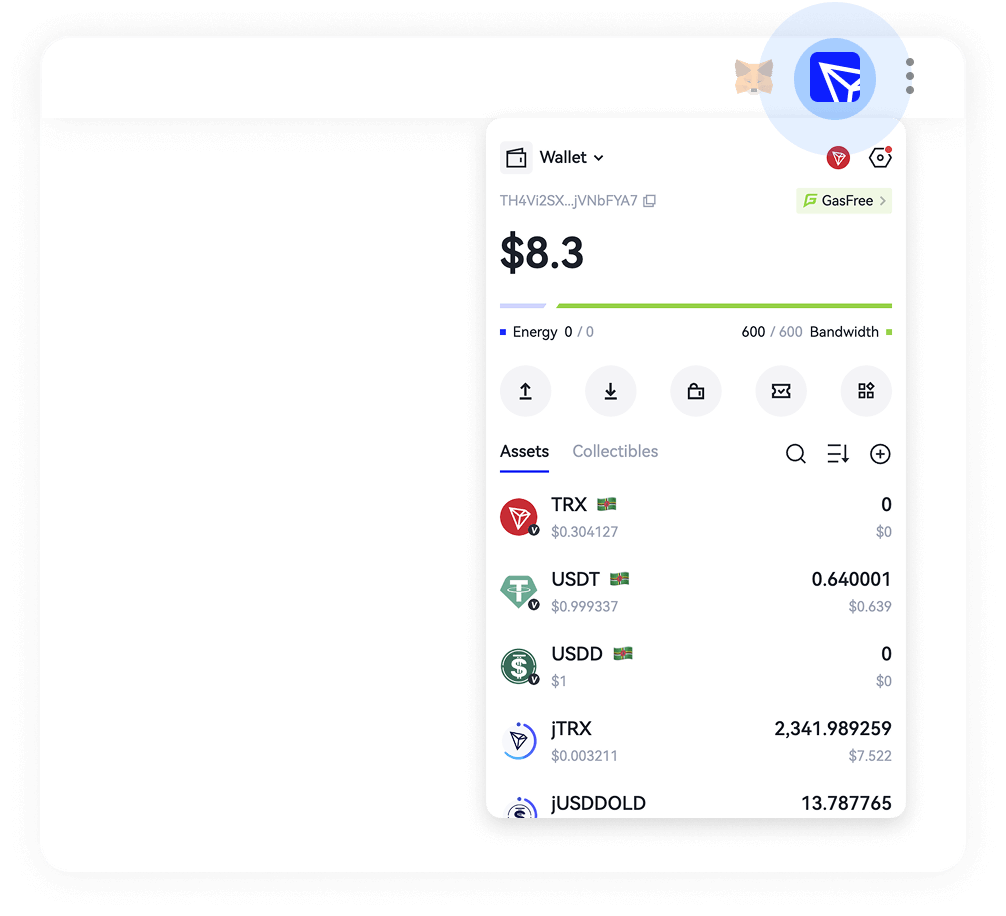
What the wallet shows before a user signs
Transaction review is the moment where a self-custody wallet earns attention. Before a transfer or contract call leaves the account, the interface presents the destination, asset, amount, and network context. DApp activity adds another layer because contract approvals and signatures grant permissions that outlive a single screen tap.
Useful habits are simple and concrete:
- Check the active network before approving a transaction.
- Confirm the token ticker and contract context inside the wallet view.
- Keep TRX available for fees when resources do not cover a transaction.
- Separate daily DApp activity from long-term storage accounts.
- Use multisignature controls for shared or higher-value treasury setups.
These habits fit the way Tronlink ton wallet is used in real TRON workflows, especially when an account moves between transfers, staking resources, and DApp contracts during the same session.
Voting and resource delegation inside the same account
TRON account management includes more than token balances. Users participate in network governance by voting for Super Representatives, and staked TRX connects to resource rights. TronLink places these account actions near the assets they affect, which makes governance and resource planning part of routine wallet maintenance rather than a separate technical exercise.
Delegation is especially practical for teams or frequent users. One account's resources support another account's transactions, and the wallet interface helps manage that relationship. When combined with multisignature signing, Tronlink ton wallet supports setups where several people approve important movements while day-to-day users still have enough resources to operate DApps.
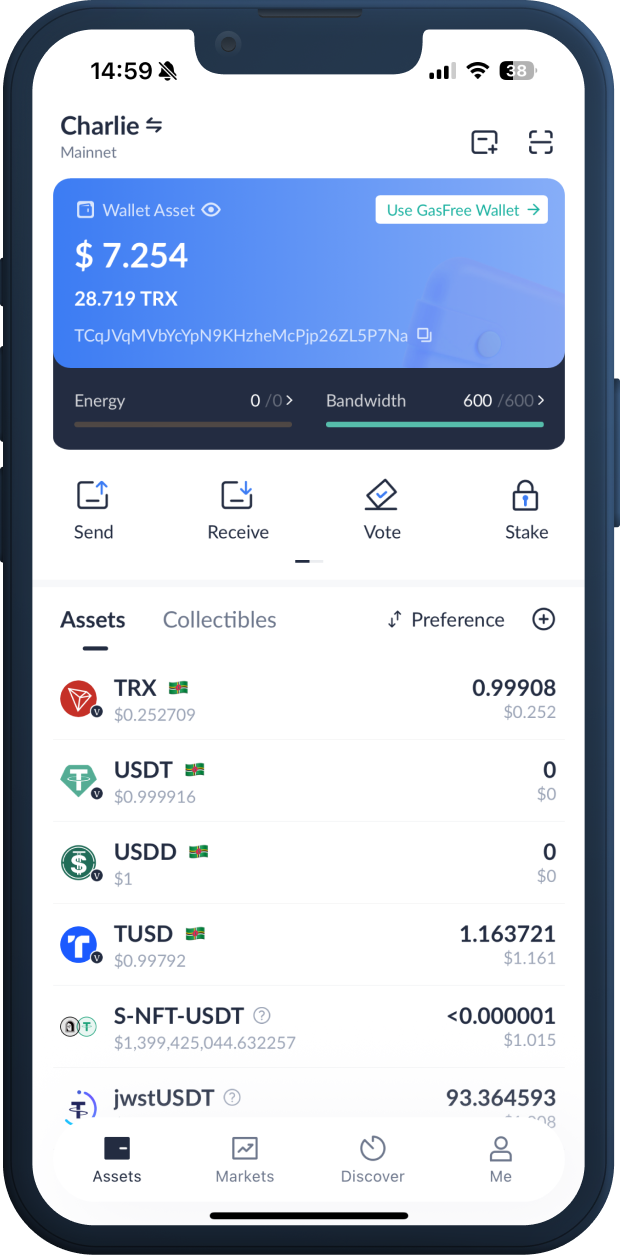
Where TronLink fits beside other wallet choices
Different wallets solve different access problems. MetaMask dominates many Ethereum and EVM workflows, Trust Wallet offers broad mobile asset coverage, and Ledger Live focuses on hardware-backed account management for supported networks. TronLink stands out when the task is native TRON activity: TRX, TRC-20 transfers, TRC-721 assets, staking resources, voting, and DApp signing built around TRON expectations.
That specialization matters for users who hold USDT on TRON or interact with TRON applications regularly. A general multichain wallet might display balances, but TronLink's deeper TRON support handles resource concepts and network-specific account actions with fewer detours. Tronlink ton wallet is therefore strongest as a TRON-first wallet that also reaches selected EVM networks through the extension.
Setting up the first account without skipping key checks
Creating a new account begins with installing the extension or mobile app, generating a wallet, and recording the recovery phrase offline. Importing an existing wallet follows a similar path, except the user supplies a mnemonic, private key, keystore, or supported hardware wallet connection. After setup, the account receives TRX or tokens at its TRON address.
Once funds arrive, the next steps depend on use. A holder adds visible token entries and sends test transfers. A DApp user connects the browser extension and signs only the transaction shown. A frequent TRC-20 user stakes TRX for resources or keeps enough TRX ready for fees. Tronlink ton wallet brings these actions into one account interface, which is why it remains a common choice for TRON users who need both custody and active network access.
Tronlink ton wallet FAQ
Does Tronlink ton wallet support USDT on TRON?
Yes. USDT issued as a TRC-20 token on TRON is one of the common assets managed through TronLink. The wallet displays the TRON address, prepares token transfers, and signs the transaction from the user's account. The account still needs TRX or sufficient resources for the network cost tied to the transfer.
Recovering access if I forget the wallet password
A wallet password unlocks the local app or extension, but the recovery phrase or private key is what restores account access. If the password is lost and the recovery phrase is still available, the account can be imported again. Without the recovery phrase, private key, keystore, or connected hardware wallet, the assets remain unreachable.
Fees on Tronlink ton wallet transfers are paid with what asset?
TRON transfers use the network's resource model. Bandwidth and Energy cover transaction activity when the account has enough resources, and TRX pays the cost when resources are short. TRC-20 transfers, smart contract calls, voting, and other actions all rely on this TRON account resource system.
Is a Ledger useful with Tronlink ton wallet?
A Ledger device is useful when the user wants hardware-backed signing while still using the TronLink interface for TRON account activity. The wallet supports importing Ledger wallets, including Bluetooth-based importing on supported setups. This keeps transaction approval tied to the hardware device while the interface handles balances, DApp requests, and network context.